
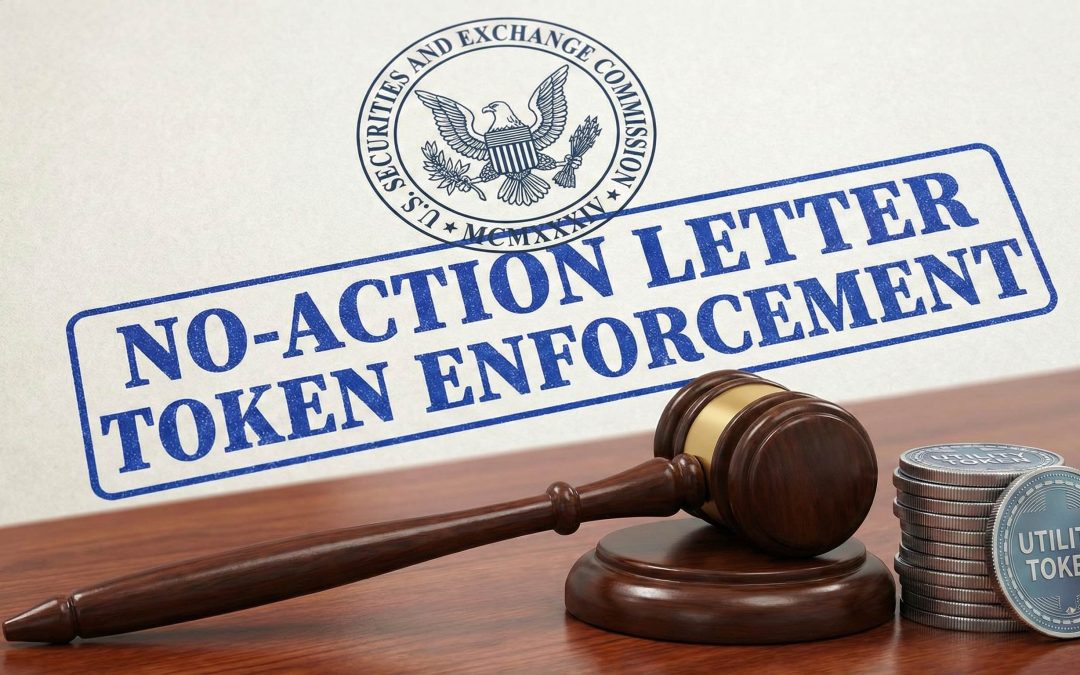
MegPrime Holding’s MP Token Gets No-Action Letter From the SEC and Sets Precedents for Rewards-Based Utility Tokens
In the rapidly evolving world of blockchain and digital assets, rewards-based utility tokens are emerging as a game-changer for user engagement and real-world applications. These tokens, designed to incentivize participation through consumptive use rather than speculative investment, have gained significant regulatory clarity in recent years. The U.S. Securities and Exchange Commission (SEC) has issued a series of no-action letters that outline a clear path for projects to launch such tokens without being classified as securities under federal laws. This precedent is particularly exciting for innovative platforms like FAIM (www.faim.world) World’s ecosystem, which is set to transform fan interactions through their upcoming rewards token—evolving from the Selfie Token—at www.selfierewards.live.
As we dive into these developments, let’s explore how these regulatory milestones support compliant, user-centric token launches.
The Evolving Precedent: SEC No-Action Letters for Utility Tokens
The SEC’s no-action letters provide non-binding but influential guidance, assuring issuers that the agency won’t recommend enforcement actions if tokens are structured and marketed appropriately. These letters hinge on the “Howey Test,” a Supreme Court framework that defines securities as investments with an expectation of profits from the efforts of others. For rewards-based utility tokens, the key is emphasizing functionality—such as payments, rewards, or network participation—over investment potential.
Recent examples from 2025 and 2026 highlight this shift toward innovation-friendly regulation:
- MegPrime Holding LLC’s MP Token (January 2026): This universal payments and rewards token, tied to everyday spending like rent and mortgages, received SEC relief for its focus on consumptive use. Rewards like cashback and down-payment assistance are earned through personal actions, not promoter efforts, failing the Howey Test’s “common enterprise” and “profits from others” prongs. The letter conditions include immediate usability and no price-manipulation repurchases, and setting a benchmark for real-estate-linked rewards.
- Fuse Crypto Limited’s Fuse Token (November 2025): Designed for green energy rewards, this token incentivizes sustainable electricity programs. The SEC’s no-action letter emphasized its utility for consumer participation, with no capital-raising intent or speculative marketing. Tokens are awarded for verifiable actions, aligning with precedents where functionality trumps investment.
- DoubleZero Foundation’s 2Z Token (September 2025): As a Decentralized Physical Infrastructure Network (DePIN) project, DoubleZero’s token rewards users for contributing resources like computation or bandwidth. The SEC’s first crypto no-action letter since 2020 confirmed that programmatic distributions for operational incentives don’t constitute securities, provided there’s no profit expectation from others. This was hailed as a milestone for functional-use tokens in infrastructure.
These build on earlier precedents from 2019-2020, which laid the groundwork for “pure” utility tokens:
- TurnKey Jet (2019): A tokenized gift card for aviation services, usable immediately without resale hype.
- Pocketful of Quarters (2019): Gaming tokens for in-app use, like arcade credits, with restrictions on speculative trading.
- IMVU (2020): Virtual economy tokens for goods and experiences, marketed solely for consumption.
Collectively, these letters establish that tokens can avoid security status by focusing on immediate utility, tying rewards to user actions, limiting secondary market speculation, and avoiding promises of value appreciation. This framework encourages projects to prioritize real-world engagement over fundraising.
How This Precedent Supports the FAIM and Selfie.Live Token Launch
FAIM (@FAIMdotWorld on X) is at the forefront of this trend with its rewards ecosystem, bridging fans and celebrities through blockchain-powered interactions. The platform at www.selfierewards.live features the $SELFIE token—a tradeable rewards-based utility token with a supply exceeding 87 billion, designed to make global participation accessible. Users earn REWARD points through activities like signing up, submitting selfies or photos to celebrities, collecting Verified Digital Assets (VFA), NFTs, onboarding into celebrity apps, referrals and more. These points can be exchanged for SFLIVE (subject to jurisdictional rules), used for discounts, event access, or staked for further rewards. Airdrops and automatic staking for airdropped tokens enhance engagement, all tied to real-world fan experiences such as digitally signed photos from events like golf tournaments.
Excitingly, the Selfie Token is evolving into the master FAIM token, unifying the ecosystem under FAIM’s vision of fan bonding with heroes. This aligns perfectly with SEC precedents: Rewards are earned through personal actions (e.g., photo submissions), not passive investment. The token’s utility in the platform—facilitating interactions, redemptions, and community building—mirrors the consumptive focus in MegPrime’s spending rewards or Fuse’s energy incentives. By emphasizing functionality over speculation, FAIM can launch compliantly, potentially seeking similar no-action relief to confirm its non-security status.
The project’s regulatory mindfulness is evident: Tokens may be restricted in certain regions, and non-platform use risks forfeiture, ensuring adherence to laws like AML/KYC. This structure not only mitigates risks but also positions FAIM as a leader in Web3 fan engagement, much like DePIN projects rewarded for contributions.
The Broader Implications and a Bright Future
These SEC precedents signal a maturing regulatory environment, where innovation thrives without overreach. For startups and established players alike, they offer a blueprint: Design tokens for utility, market them as tools, and tie value to user effort. This reduces enforcement risks, attracts investors, and fosters adoption.
For FAIM, this means the token launch can empower millions to monetize selfies and live content ,securely and compliantly. Whether you’re a fan submitting a tournament photo for a digital signature or a celebrity rewarding loyal followers, the ecosystem promises genuine value creation.
As we look ahead, projects like FAIM exemplify how rewards-based utility tokens can democratize engagement. Ready to join the revolution?
Head to www.selfierewards.live to learn more, or follow
@FAIMdotWorld on X for updates. The future of fan rewards is here—and it’s tokenized.